
Adolfo Camarillo High School
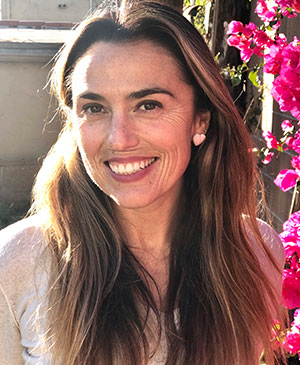
Tawney Safran
Tawney Safran, Leading Teacher
Camarillo, CA | 10th
"The experience was collaborative and eye-opening. This project definitely helped with A.P. European History by reminding the students that history is written by everyone, not just the winners. "
SHOW MORE +
FEATURED WORK
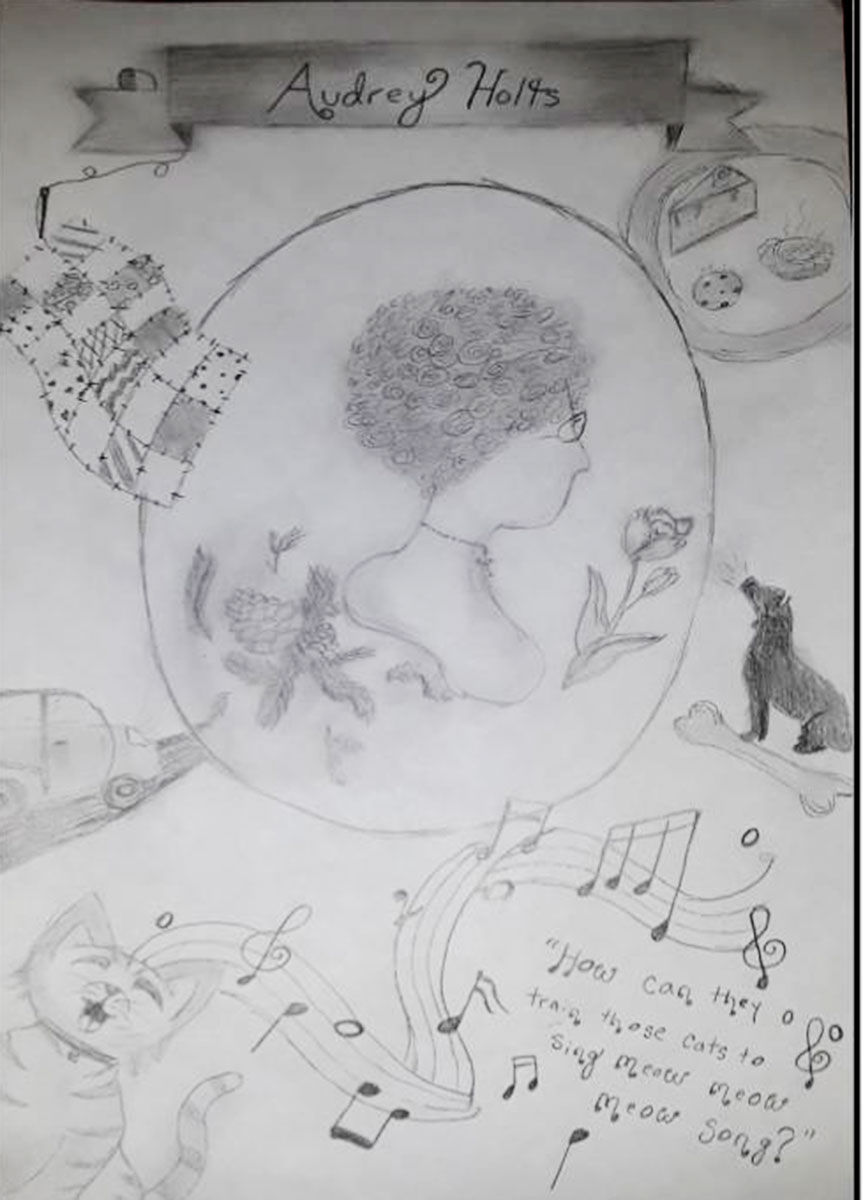
Audrey Holts
By Devin Chandler
What stands out about Jeannette Rankin, was her passionate belief in world peace and how singled out she was for bravely being the only person in Congress to vote against both World War I and World War II.
READ MORE +
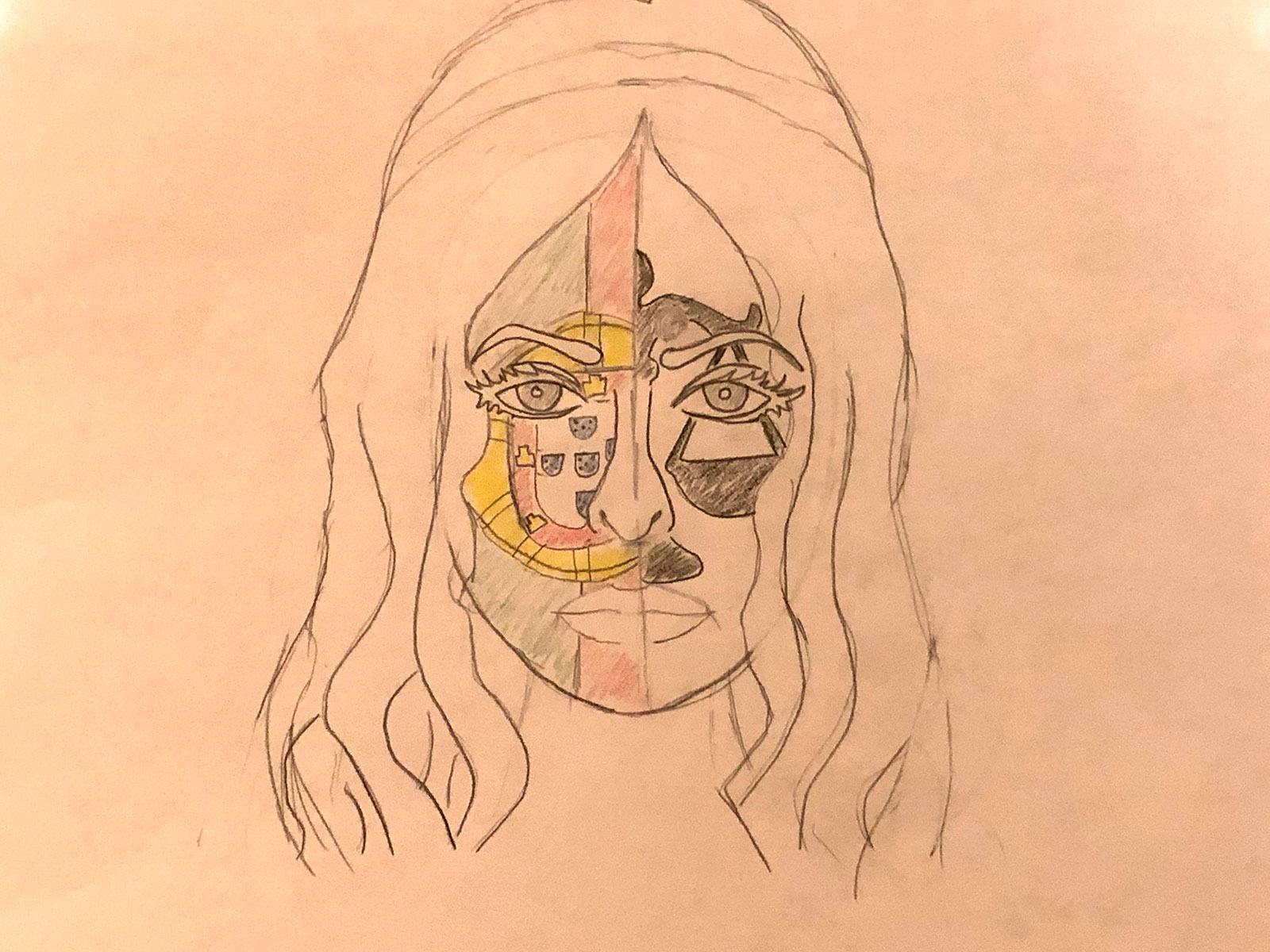
My Mom Jessica
By Eliana Bornhauser
I can’t say I have the same courage as these women, but I know they have encouraged many others such as me to speak up. She still inspires youth to challenge the labels society chooses for you.
READ MORE +
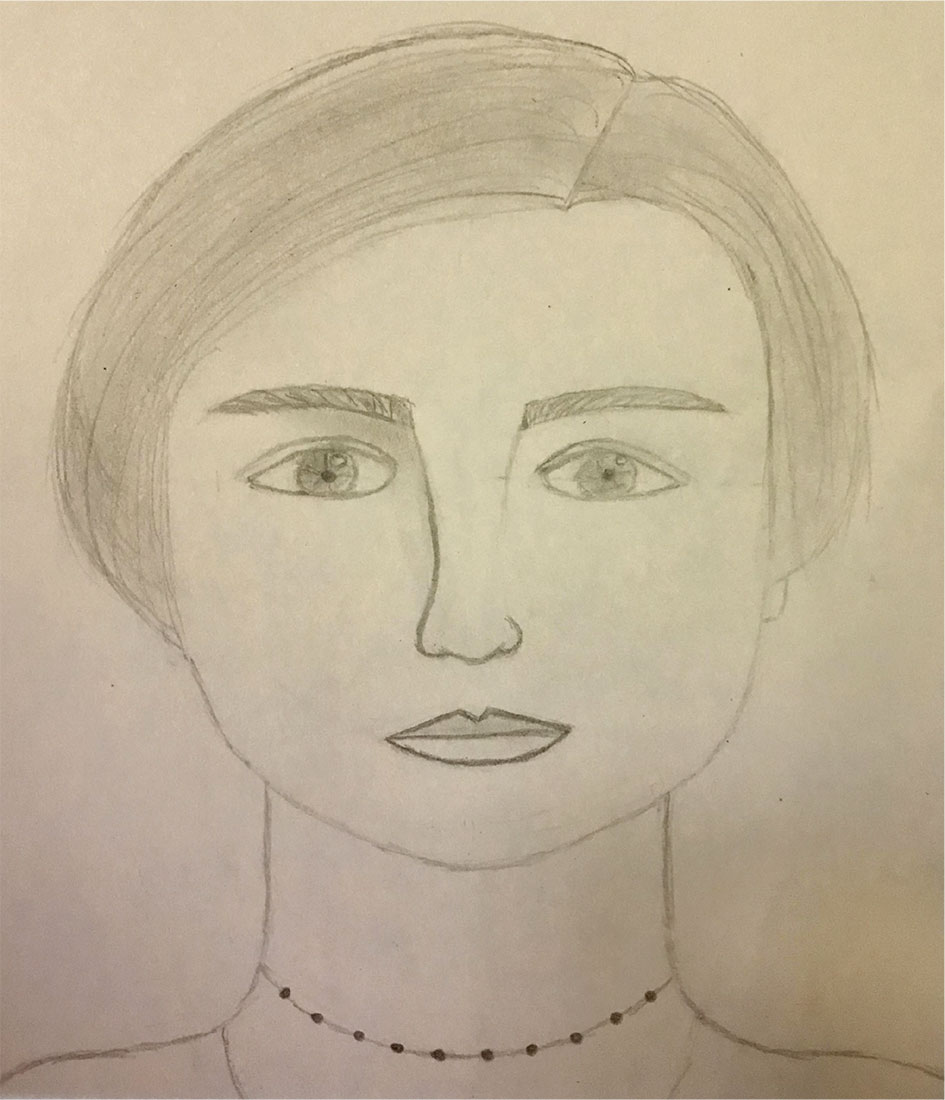
My Great-Grandma
By Natalie Fahs
It is difficult to speak for a cause without receiving so much hate and criticism from social media and the internet. Anyone who speaks strongly for women’s rights is a feminist, however many are simply viewed as hating men.
READ MORE +
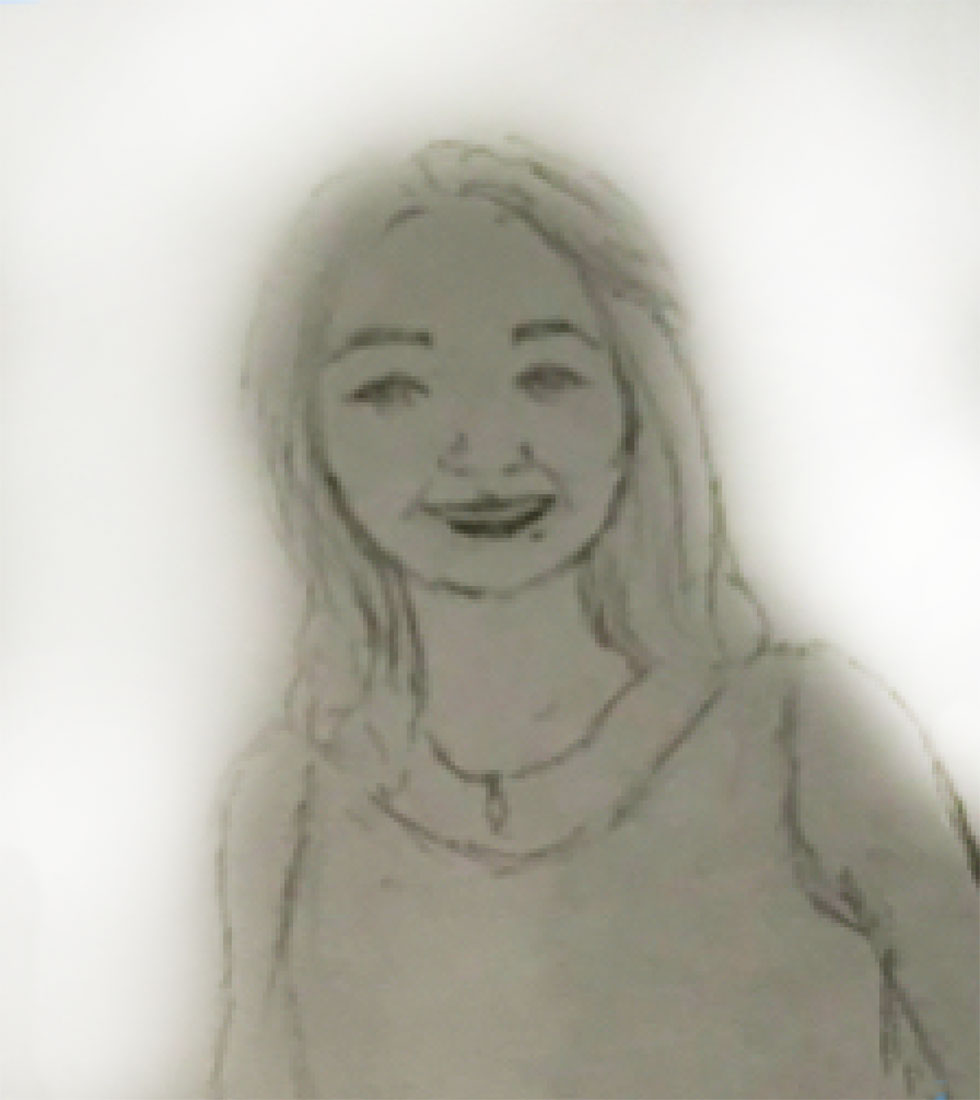
Mai Tran
By Yvonne Nguyen
My great grandmother struggled without her husband, Tram, and it got worse when she was fired from her job due to her status as a South Vietnamese. As a result, Mai, my grandmother, got a job selling peanuts and cigarettes on the streets of Hanoi at twelve years old.
READ MORE +
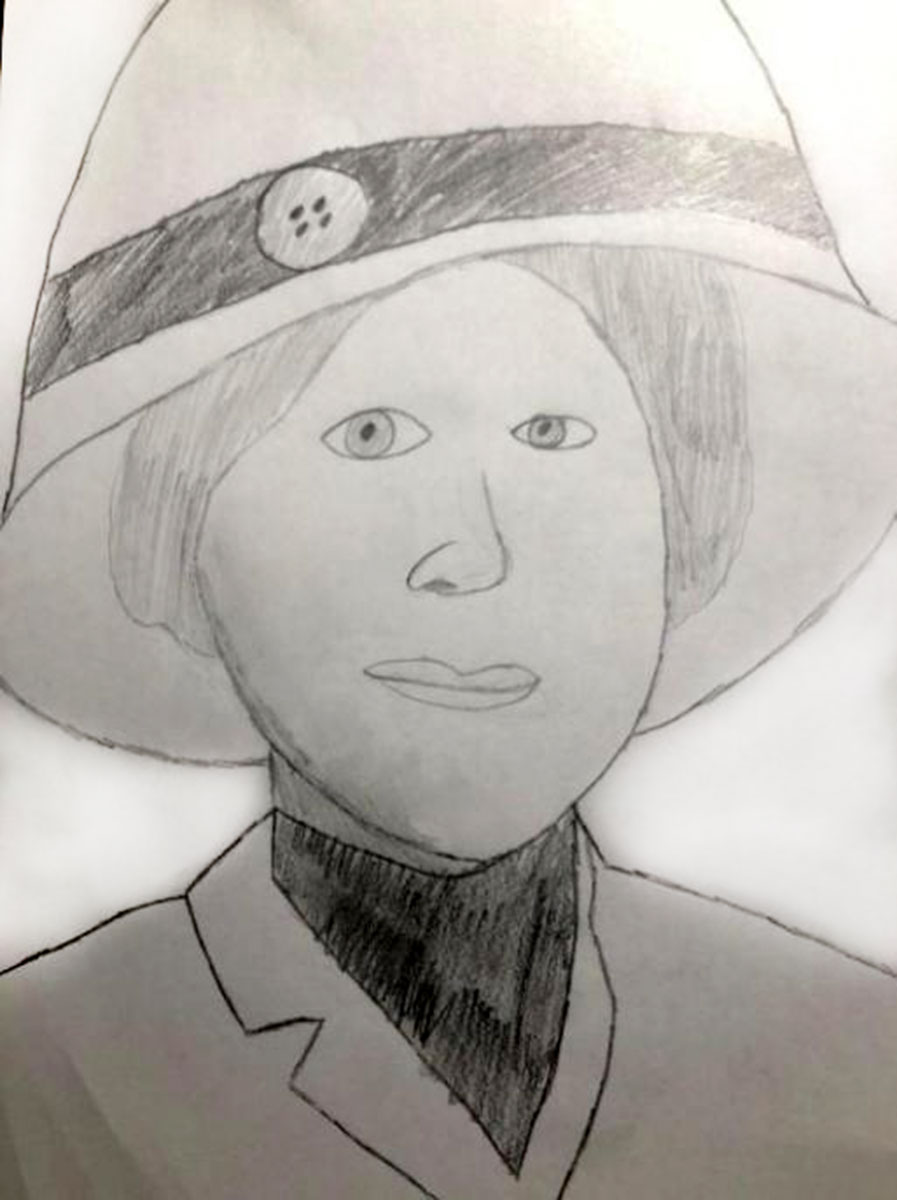
My Great-Great-Grandmother
By Derek Stirling
Mabel Conway had a sense of humor. In silly clothes and telling jokes, she would play songs on the piano, such as, ‘Beautiful Ohio’ and ‘Shall We Gather at the River?
READ MORE +
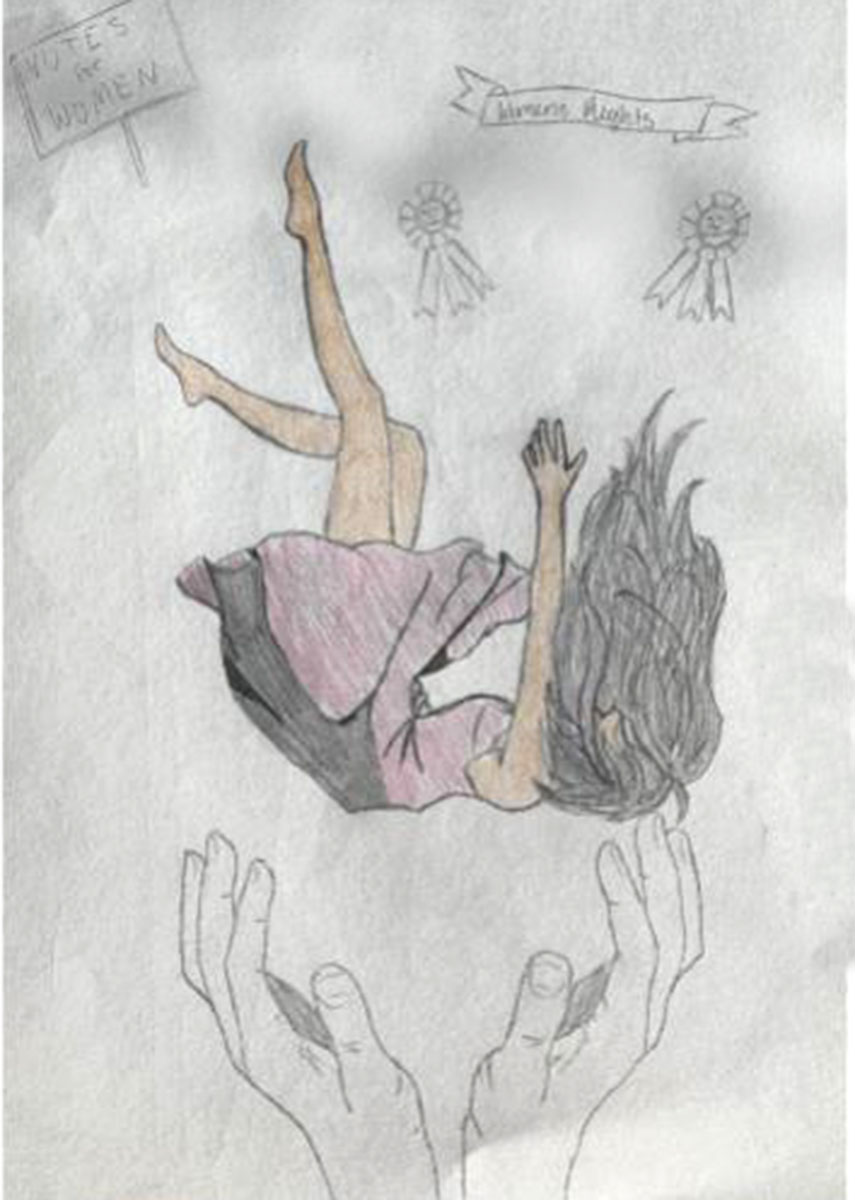
My Great-Grandma Antonia
By Francesca Marietti
At one point, Dame Ethel Smyth fell in love with a fellow suffragette, Emmeline Pankhurst. Then, at the age of 71, Ethel fell in love yet again with Virginia Woolf. Nothing stopped her from loving who she wanted.
READ MORE +
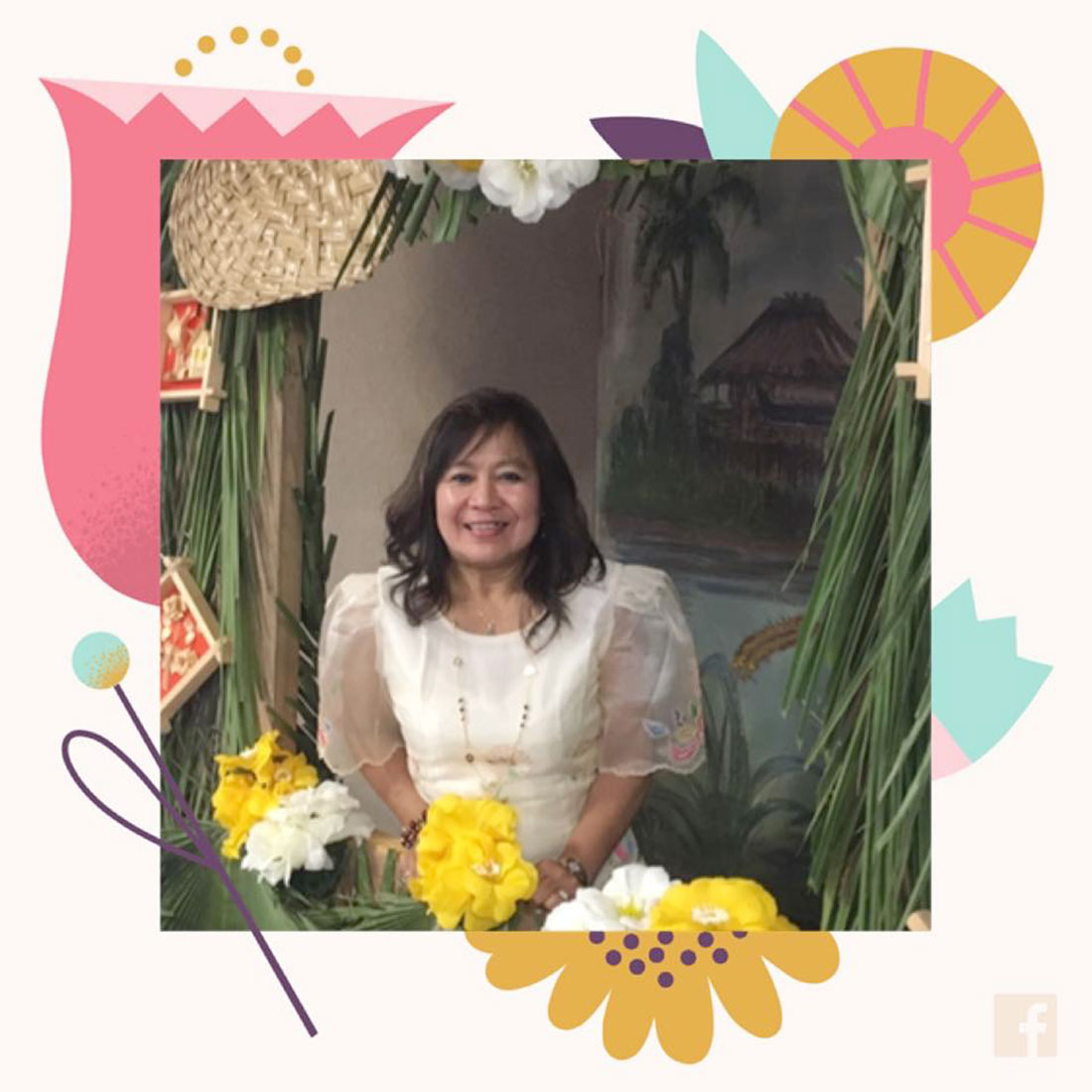
My Grandmother
By Evan Pritchard
My grandmother and her kids moved to America and there she learned the truth: My grandfather had another family with two kids of his own. Upon hearing this, my grandmother left him.
READ MORE +
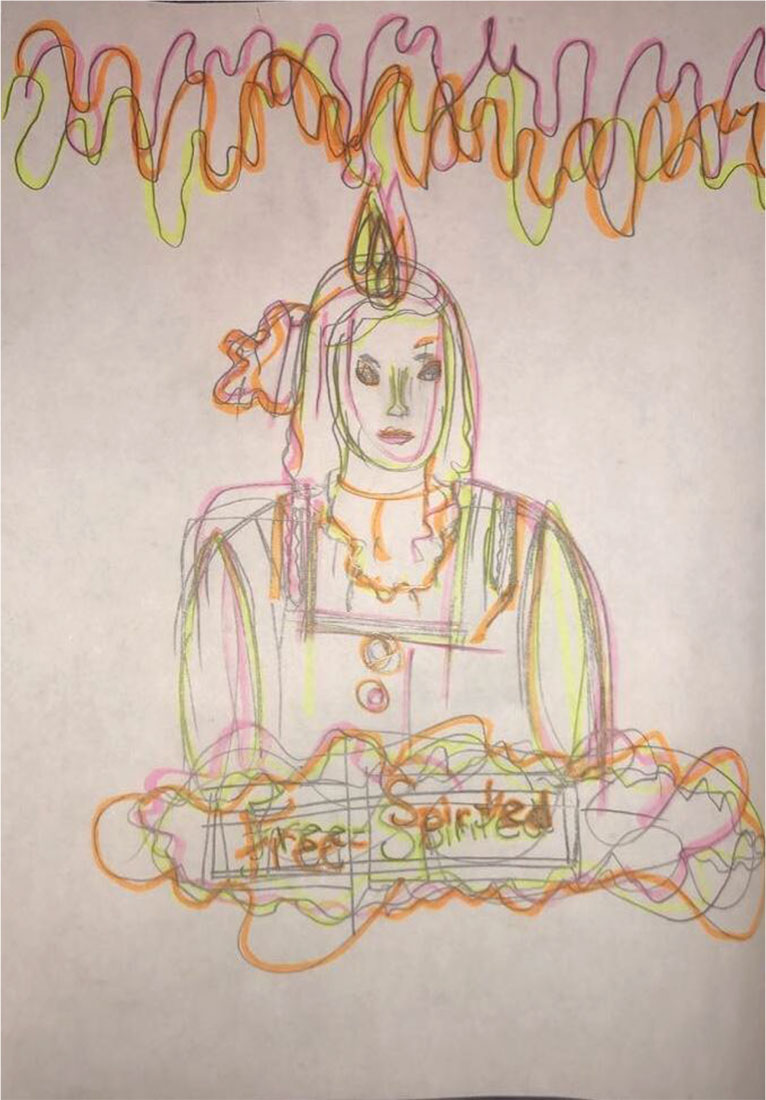
My Great-Great-Aunt
By Lily Korzelius
Criticized for never marrying, Edith Haddrell was unbothered by it, saying, ‘I am so undoubtedly pleased that no one understands me.
READ MORE +
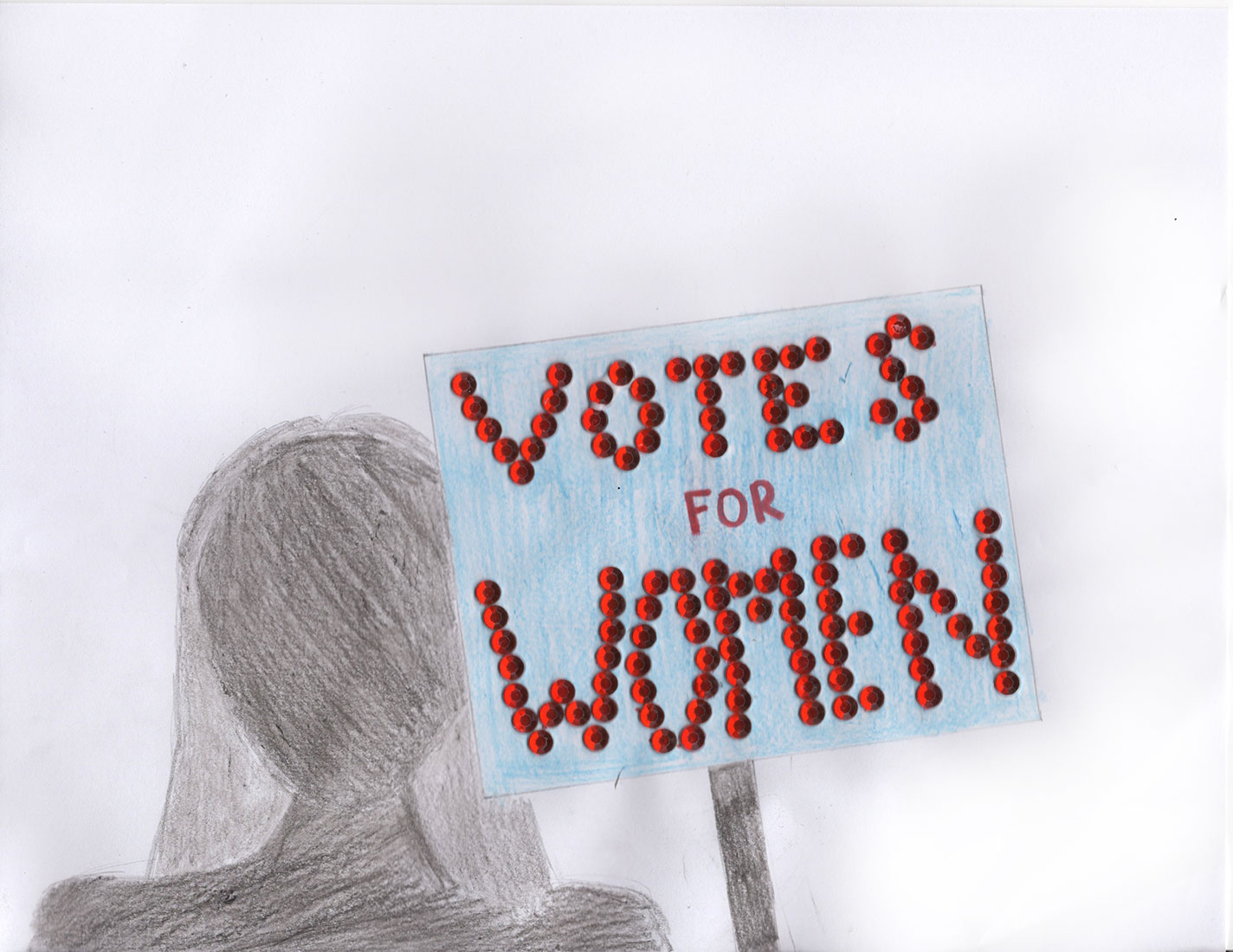
Alice Johnson
By Mollie Schafer
I always thought people like Eastman were the only ones who fought, but ordinary people like my Aunt Alice were part of the battle. My aunt among millions of women across the United States was part of the battle to bring new opportunities for women.
READ MORE +
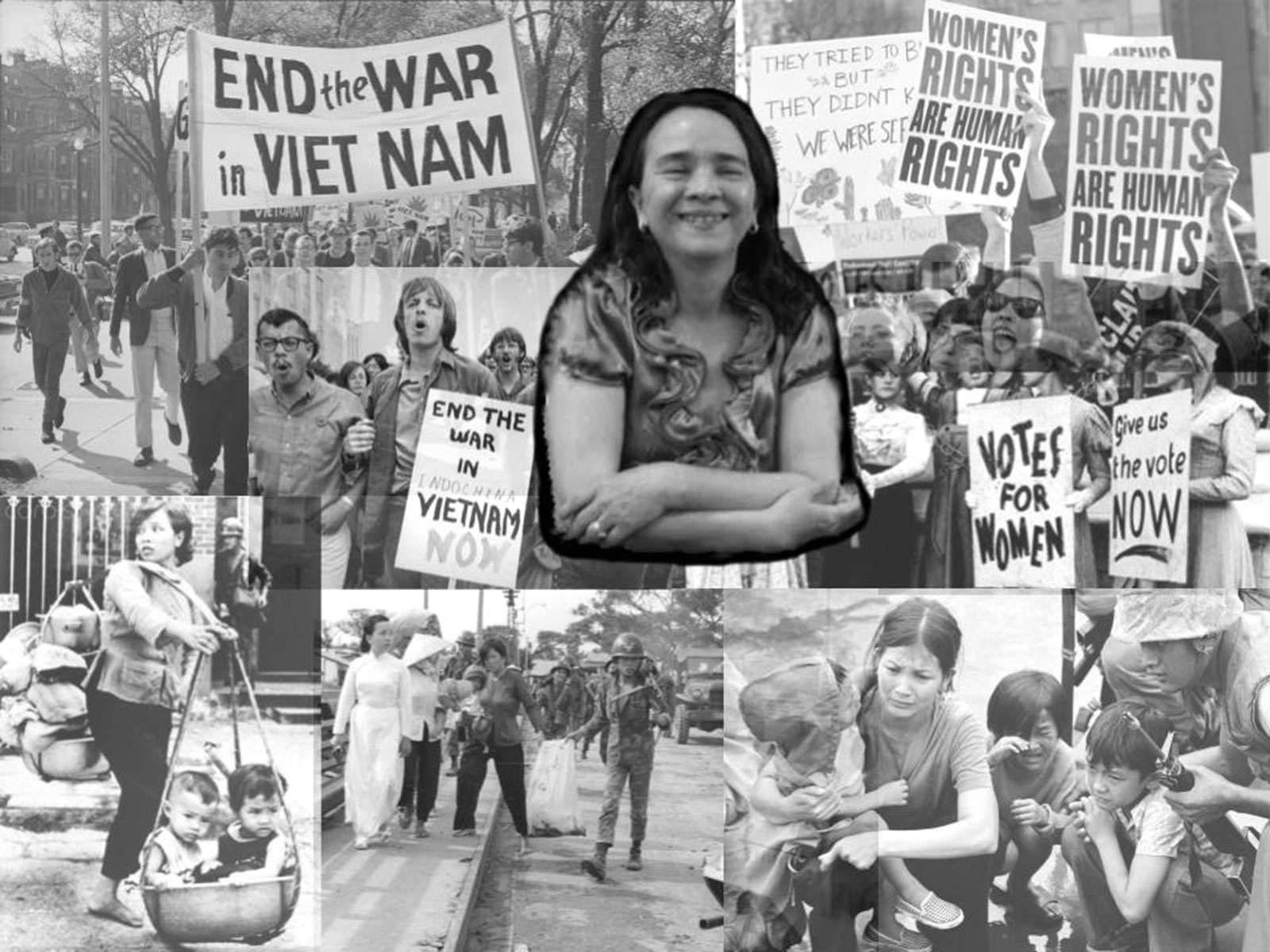
Mychau Tran, My Aunt
By Hans Bachnguyen
I now recognize suffrage as not only a right but as a power. People are empowered through freedom to make decisions for the greater good.
READ MORE +
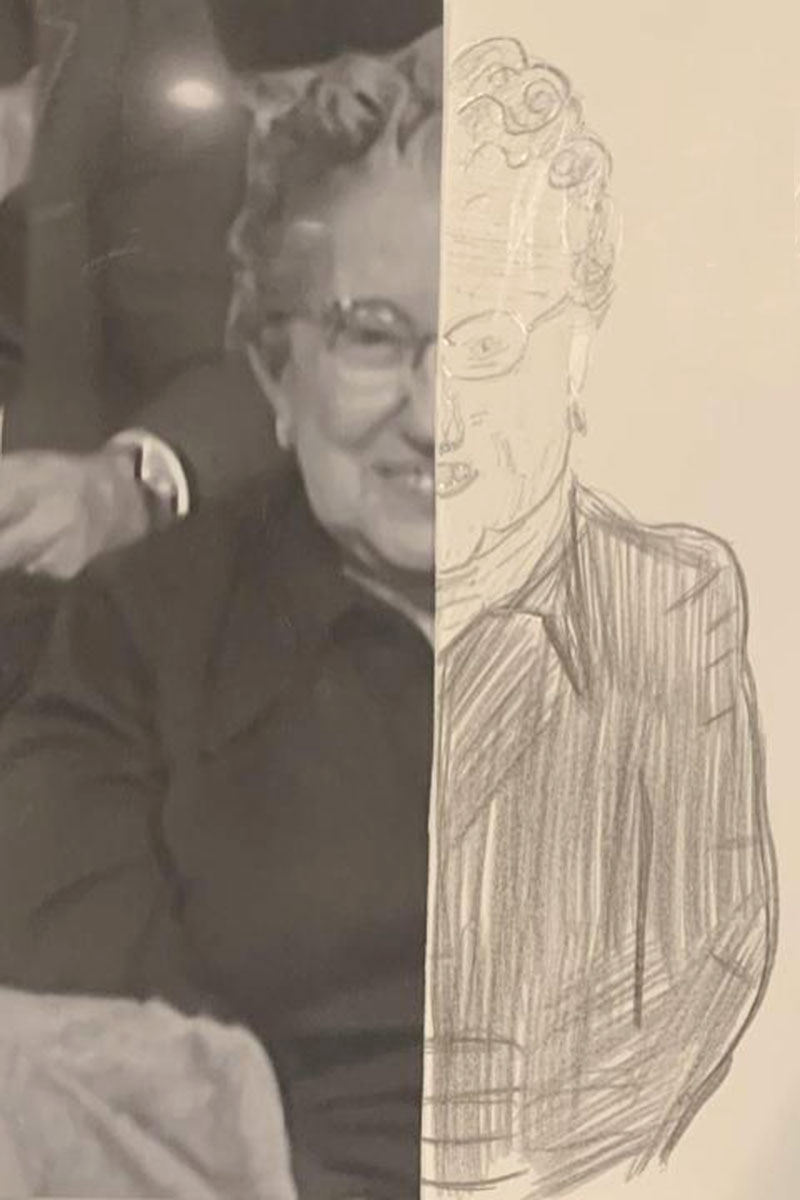
My Great-Great-Grandmother
By Kaden Epstein
As I read all the bibliographies of these women I began to realize what they were after, it wasn’t to gain power, it wasn’t to start changing the whole dynamic of the government, women wanted a voice, a say in rules the country they live in and deeply care about
READ MORE +
STUDENT WORK
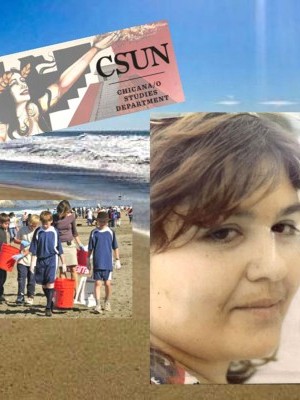
Maria Hernandez
By Aidan DeCosteThis project has shown me how common and similar a famous suffragette like Matilde Bajer, a Danish woman, is to someone in my Chicano family.
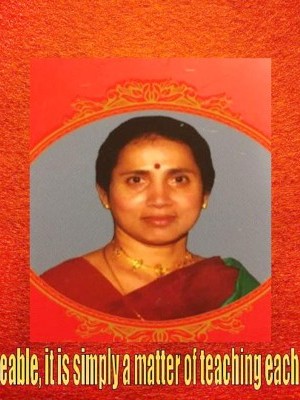
My Grandma Malini Lyer
By Dharma LyerOne teaching my grandmother strongly believes in that pertains to the suffrage movement is, ‘When something goes wrong, it isn’t one person’s fault, it is everybody’s fault.
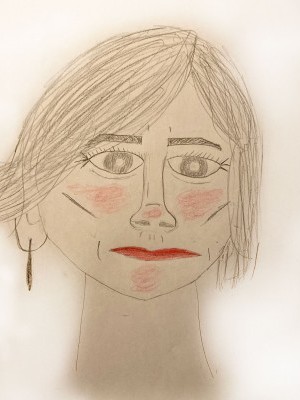
My Mother
By Angelica GuevaraMy mother works hard to give us the childhood that she never had. She and my dad made sure that we wouldn’t have to grow up in poverty and she will do even greater things in the future.
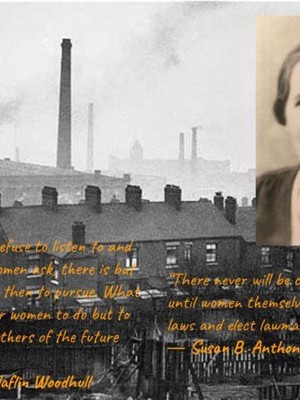
Bertha Kwast
By Dylan KwastThe immigration policies in New York were very harsh and when the ship bringing the Kwasts from Prussia to America docked at Ellis Island, Bertha called it “Die Weininsel” or “The Island of Tears.”
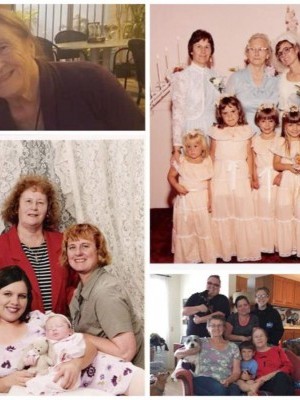
My Great-Grandmother
By Emma NagodeMy great grandmother was alive during World War II in Germany. She played field hockey. Her team was invited to see Hitler but her dad told her not to go and she stayed home. Unfortunately, her teammates were not heard from again.
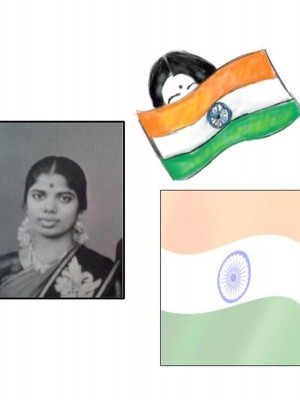
My Grandma
By Neha NandakumarMy grandma votes every election, and gets the significant black marking on her fingernail as they do in India to represent your voting. Women's voting has taken place in my family for years passing down from generation to generation.
Maria Colindres
By Nick TamayoWithin twenty-four hours the bus had arrived at the desert in which the walking had begun. The days were hot and tiring with extreme temperatures, and the group would hide and wait until nighttime.
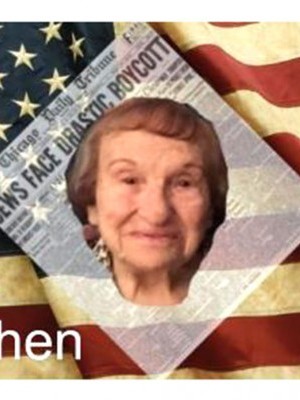
Ida Cohen, My Great-Grandma
By Alex SadowskiMy great-grandma, Ida Cohen, talked about the struggle of coming to a new country when Jewish people were hated across most of the world. My grandma is a perfect example of overcoming hate.
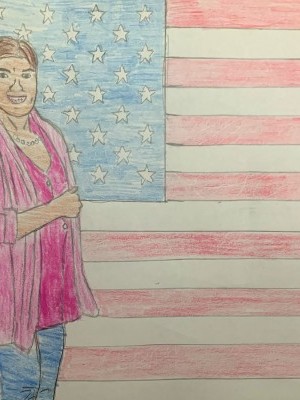
My Grandmother
By Arturo LuisEmily Balch struggled economically but when she won the Nobel Peace Prize in 1946, she donated her $17,000 share to the Women’s International League for Peace and Freedom.
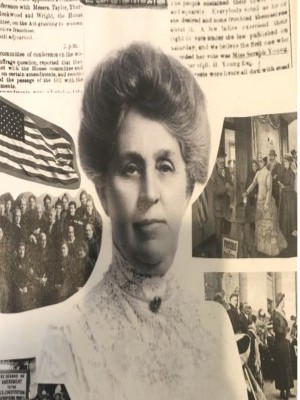
Seraph Young Ford
By Carly BarlowThroughout writing papers and doing the artwork I was able to connect with the women of the time. I could feel the frustration that they felt with constantly being denied the ability to have a voice and choose the laws. Many women fought their entire lives to have what males were simply granted.
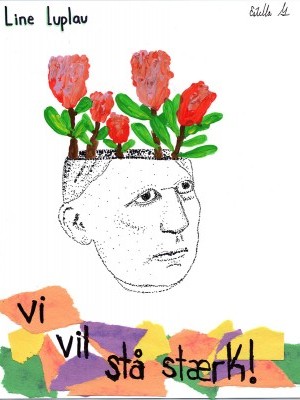
Line Luplau
By Estella GarciaThroughout my life I have had to overcome, like Mary Wollstonecraft, several battles be they my parents’ divorce, moving, or financial. Mary gives me hope that through hardship I will be made into a better person.
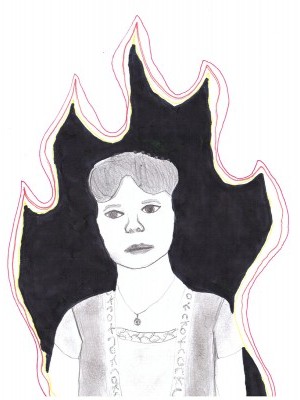
My Great-Great-Grandmother
By Emma LoeweWhile working in a factory, Albertine lost all four fingers on her right hand down to the nub. Despite this difficulty, she learned how to read and write with her left hand as well as learn how to drive.
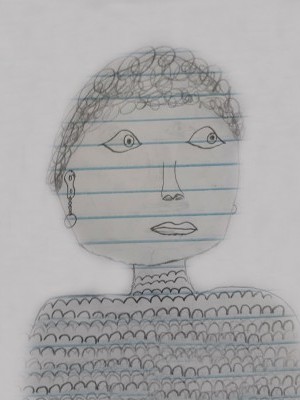
Emma Kroening
By Timothy SloaneEmily Davison’s public defiance led her to enter a horse racing track during a race, being trampled by a horse and suffering a skull fracture and fatal brain damage.
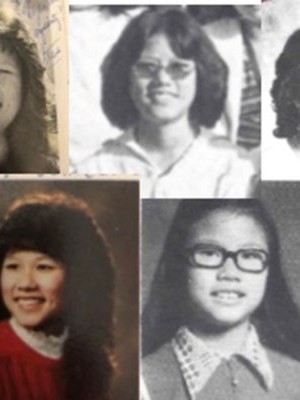
My Mom
By Grant WinterI learned so much new information about my ancestors and heard so many stories that I had not known about before. When I wrote my mother’s story, it really opened my eyes to the struggles of women and how until just recently, there was still a lot of misogyny in our society.
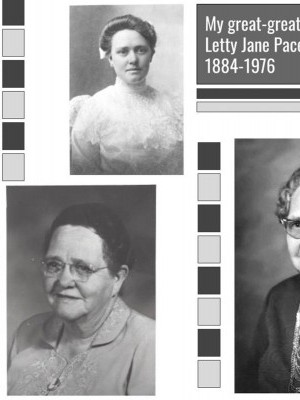
My Great-Great-Grandmother
By Evan TreeOlympe de Gouges was an idealist who spoke for her beliefs in a treacherous time when radicals were against women as a whole. She paid with her head.
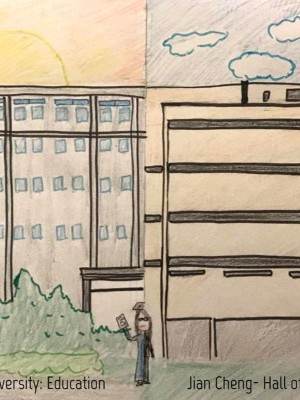
Jane Chang
By Janelle XuFor my mom, especially coming from China, voting as an immigrant was extra challenging. This project gave me the opportunity to ask questions that I might not have thought about on my own.
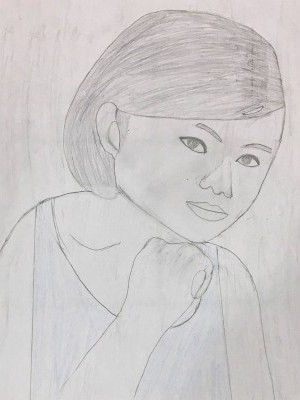
Lim Ly Huong
By Jessica LaoShe requested her own epitaph which reads: “I am Séverine, nothing but Séverine, an isolated and independent woman".
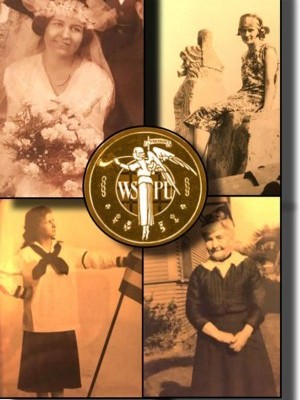
My Great-Great-Grandmothers
By Joseph MontagLady Constance Lytton, or Jane Warton, as I’m sure she would like to be called, broke free from the constraints of her class and society, choosing who she was going to be, and what she was going to fight for.
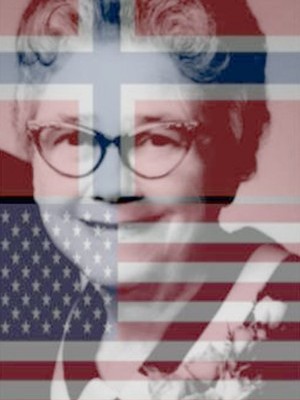
My Great-Great-Grandmother
By Kylie SweeneyEmily Stowe used her experience with misogyny to fuel her drive of helping other women accomplish their goals and speak up against societal norms. Along with proving every man wrong, she became the first woman principal and medical physician in Canada.
Great-Grandma Purdy
By Pete GottoWhen my mom was in Santa Barbara for college and internships, my great grandma Purdy let her stay under her roof but it wouldn’t be easy. You had to contribute and work hard.
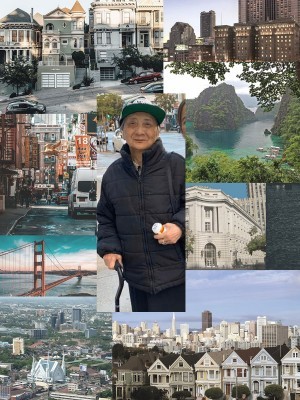
Lei Villafuerte, My Grandma
By Samantha CondevillamarMy grandmother’s refusal to conform to the hate she was receiving for seeking an education makes me feel proud of my heritage, for she continued to do what she loved even though she was put down, time and time again.
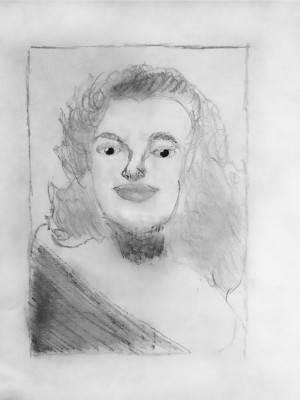
Martha Young
By Hayden YoungI may not be a woman but the story of suffrage gives me pride and the understanding that when you believe in something strongly enough, no mountain is too high, and no ocean too deep.
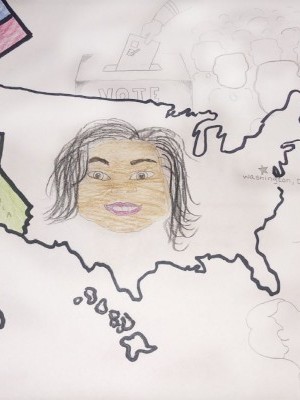
My Grandmother
By Kaine SantosI am humbled to have learned from my own family’s history of voting, and to walk away with the words given to me by my grandmother, ‘Even though I am one in millions, at least I know I have some part in the bigger picture.'
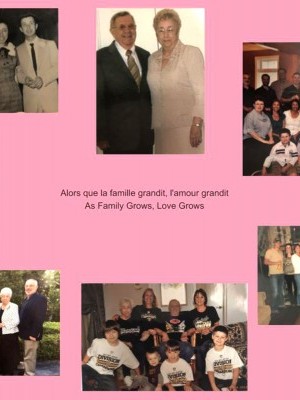
Audrey Marie Fontenot
By Jackson NorbutasBeing a man, I never truly understood the struggles that women have gone through to be treated fairly, and I still will never be able to grasp the full extent of problems women go through just by virtue of being a man. This project really opened my eyes.
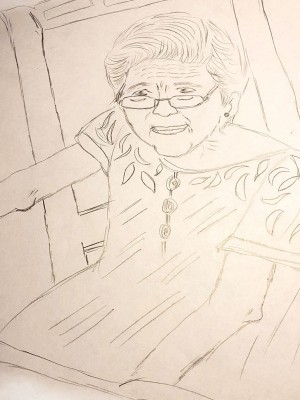
My Grandmother Lola Severa
By Janreb PunoNot much attention was paid towards Adela Pankhurst. Being one of the unpopular suffragettes, not much is known about her history. Yet it is a great way to shed the information on the suffragettes and to see that every detail of their story is documented.
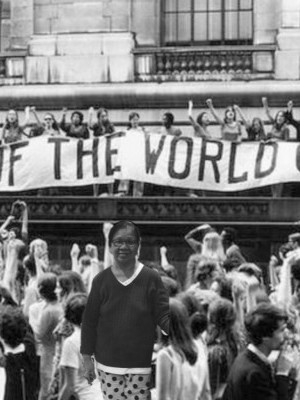
Isabel Apolinario
By Joshua DelconThis project taught me a life lesson: displaying compassion shouldn’t be endeavored alone. Each and every individual played a role in the suffragette movement, developing women’s rights together, not alone. There is no one person to depict the main reason of the movement. Everyone was the cause.
Beglie Celmeta
By Kamila CelmetaAsking the legislature for adoption, Frances Willard devised a strategy to gain suffrage with her ‘home protection’ measure, a measure which would grant women the right to vote on matters that affected the home.
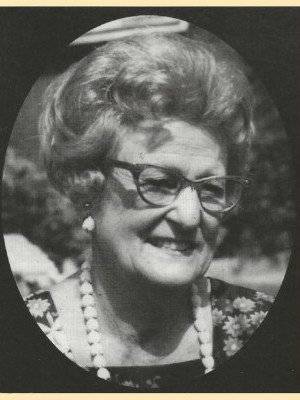
Anna Clarra Gisler
By Will KassoA fake author’s name for Mary Ann Müller was required in order to protect herself from angry men who could possibly be a danger to her. Even her own husband, a politician, rejected her views.